How to Use Decentralised Exchanges Safely: Common Mistakes and Practical Protection in 2026
Decentralised exchanges (DEXs) have become a core part of the cryptocurrency ecosystem by 2026. They allow users to swap digital assets directly from their wallets without handing custody to a central intermediary. However, greater control also means greater responsibility. Unlike centralised services, there is no support desk to reverse a mistaken transaction or restore lost access. Safe use of DEXs requires technical awareness, attention to detail and a clear understanding of typical risks. This guide explains how decentralised exchanges work today, highlights the most common user errors and outlines realistic protection strategies based on current blockchain practices.
Understanding How Decentralised Exchanges Operate in 2026
Modern decentralised exchanges operate through smart contracts deployed on blockchains such as Ethereum, BNB Chain, Arbitrum, Optimism and other Layer 2 networks. Instead of matching buyers and sellers in a traditional order book, most DEXs rely on automated market makers (AMMs). Liquidity pools funded by users enable instant token swaps, with pricing determined algorithmically. This model reduces counterparty risk but introduces smart contract and liquidity risks that users must evaluate before interacting with a protocol.
By 2026, cross-chain bridges and aggregators are widely integrated into DEX interfaces. While this improves capital efficiency and price discovery, it also increases complexity. A single swap may involve multiple smart contracts, routing logic and external liquidity sources. Each additional interaction expands the potential attack surface. Users must understand whether they are interacting directly with a core protocol or through a third-party aggregator that introduces additional smart contract dependencies.
Another defining feature of decentralised exchanges is self-custody. Transactions are signed locally using a private key stored in a wallet such as MetaMask, Rabby, Ledger or similar tools. If a user signs a malicious transaction or approves excessive token allowances, funds can be drained instantly and irreversibly. There is no fraud department to intervene. Therefore, understanding wallet permissions and transaction prompts is fundamental to safe usage.
Smart Contracts, Token Approvals and Hidden Risks
Every interaction with a DEX involves granting permissions to smart contracts. Before swapping tokens, users typically approve the contract to spend a specific amount of a token on their behalf. Many interfaces default to “unlimited approval”, allowing the contract to transfer any amount of that token in the future. If the contract is later compromised, or if a malicious contract was approved, attackers can withdraw funds without additional confirmation.
In 2026, blockchain explorers and specialised security tools allow users to review and revoke token approvals. Regularly checking active allowances has become a recommended practice. Revoking unnecessary permissions limits potential damage in case of protocol vulnerabilities or phishing incidents. While revocation requires a small gas fee, it significantly reduces exposure to dormant risks.
Smart contract audits are another factor to consider. Independent security firms analyse protocol code for vulnerabilities, but audits do not guarantee absolute safety. Users should verify whether a DEX has undergone multiple audits, whether reports are publicly available, and whether critical issues were resolved. Transparent documentation and active developer communication are strong indicators of operational maturity.
Common User Mistakes That Lead to Loss of Funds
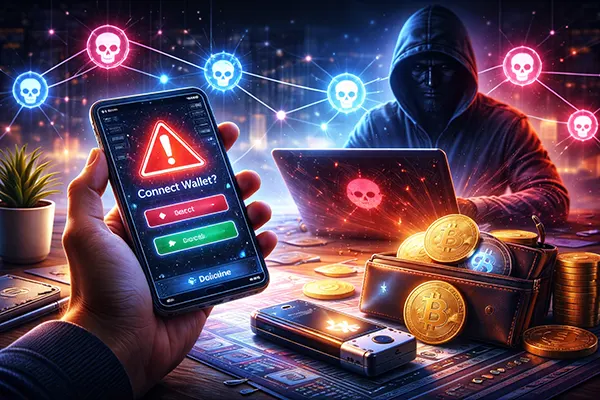
The most frequent losses on decentralised exchanges are not caused by sophisticated hacks but by simple user errors. One of the most common mistakes is interacting with a fake website. Attackers create near-identical copies of legitimate DEX interfaces and promote them via search ads or social media. When users connect their wallets and sign transactions, malicious contracts gain access to their funds. Verifying URLs, bookmarking official domains and avoiding links from unknown sources remain essential habits.
Another widespread error involves incorrect network selection. Many tokens exist on multiple chains. Sending assets to the wrong network or attempting to swap a token on an unsupported chain can result in confusion or temporary loss of access. While some assets can be recovered through manual bridging, others cannot. Before executing any transaction, users should confirm the selected network in both the wallet and the DEX interface.
Slippage misconfiguration is also a frequent issue. During periods of high volatility or low liquidity, traders may set excessively high slippage tolerance to force a transaction through. This can result in severe price impact or exploitation by sandwich attacks, where automated bots manipulate prices around a pending transaction. Conservative slippage settings and trading during periods of stable liquidity reduce this risk.
Phishing, Malicious Tokens and Social Engineering
Phishing remains one of the most effective attack methods in 2026. Fraudulent emails, fake support accounts and impersonated community moderators attempt to convince users to sign wallet transactions or reveal seed phrases. A fundamental rule still applies: no legitimate decentralised exchange will ever request a private key or recovery phrase. These credentials should never be entered on any website under any circumstances.
Malicious tokens are another hidden danger. Attackers sometimes airdrop fake tokens into random wallets. When users attempt to swap or interact with these tokens, they are redirected to malicious contracts. Before trading unfamiliar assets, it is important to verify contract addresses through official project documentation or trusted blockchain explorers. Blindly interacting with unsolicited tokens can trigger automatic approval of harmful smart contracts.
Social engineering tactics have become more sophisticated. Attackers may build credibility in online communities before promoting fraudulent “investment opportunities” or fake liquidity pools. Independent verification of project legitimacy, team transparency and audit documentation helps distinguish established protocols from short-lived schemes designed to extract liquidity.
Practical Protection Strategies for DEX Users
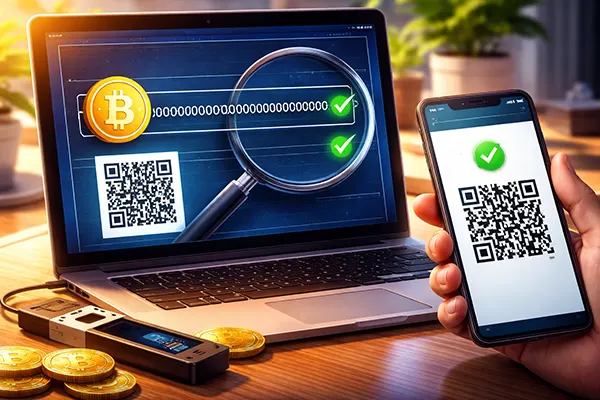
Using hardware wallets remains one of the most effective security measures. Devices such as Ledger or Trezor store private keys offline and require physical confirmation for transaction signing. Even if a computer is infected with malware, the attacker cannot execute transactions without physical device approval. For significant balances, hardware-based self-custody is strongly recommended.
Separating wallets by purpose also enhances security. Many experienced users maintain one wallet for long-term holdings and another for interacting with decentralised applications. This compartmentalisation limits exposure if a high-risk interaction goes wrong. If a trading wallet is compromised, core holdings remain protected in a separate address.
Regular monitoring of wallet activity is equally important. Blockchain transactions are transparent and publicly visible. Setting up alerts through reputable tracking tools allows users to detect suspicious transfers quickly. While transactions cannot be reversed, early detection can prevent further damage by revoking approvals and moving remaining funds to a secure address.
Risk Management, Due Diligence and Long-Term Discipline
Security is not only technical but behavioural. Allocating only a reasonable portion of capital to decentralised trading reduces emotional decision-making and limits potential losses. High-yield farming opportunities promising unrealistic returns often carry elevated smart contract or liquidity risks. Evaluating whether projected rewards justify the technical exposure is part of responsible participation.
Due diligence should include reviewing protocol documentation, understanding tokenomics and analysing liquidity depth. Thin liquidity pools are more vulnerable to price manipulation. Checking total value locked (TVL), historical performance and community engagement offers additional context. However, large TVL alone does not eliminate risk; even established protocols can face unforeseen vulnerabilities.
Finally, maintaining updated software is essential. Wallet extensions, browser updates and hardware wallet firmware releases often contain security improvements. Neglecting updates can leave users exposed to known vulnerabilities. Safe interaction with decentralised exchanges in 2026 depends on combining technical safeguards, informed decision-making and disciplined risk management.